
Winter 2026
Supernova
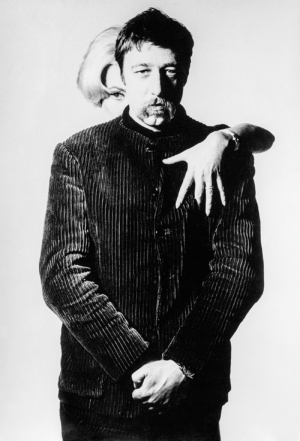
Provocative photographer and art director Harri Peccinotti stylishly reflected his times, from jazz and advertising to Nova magazine. Profile by Serge Ricco
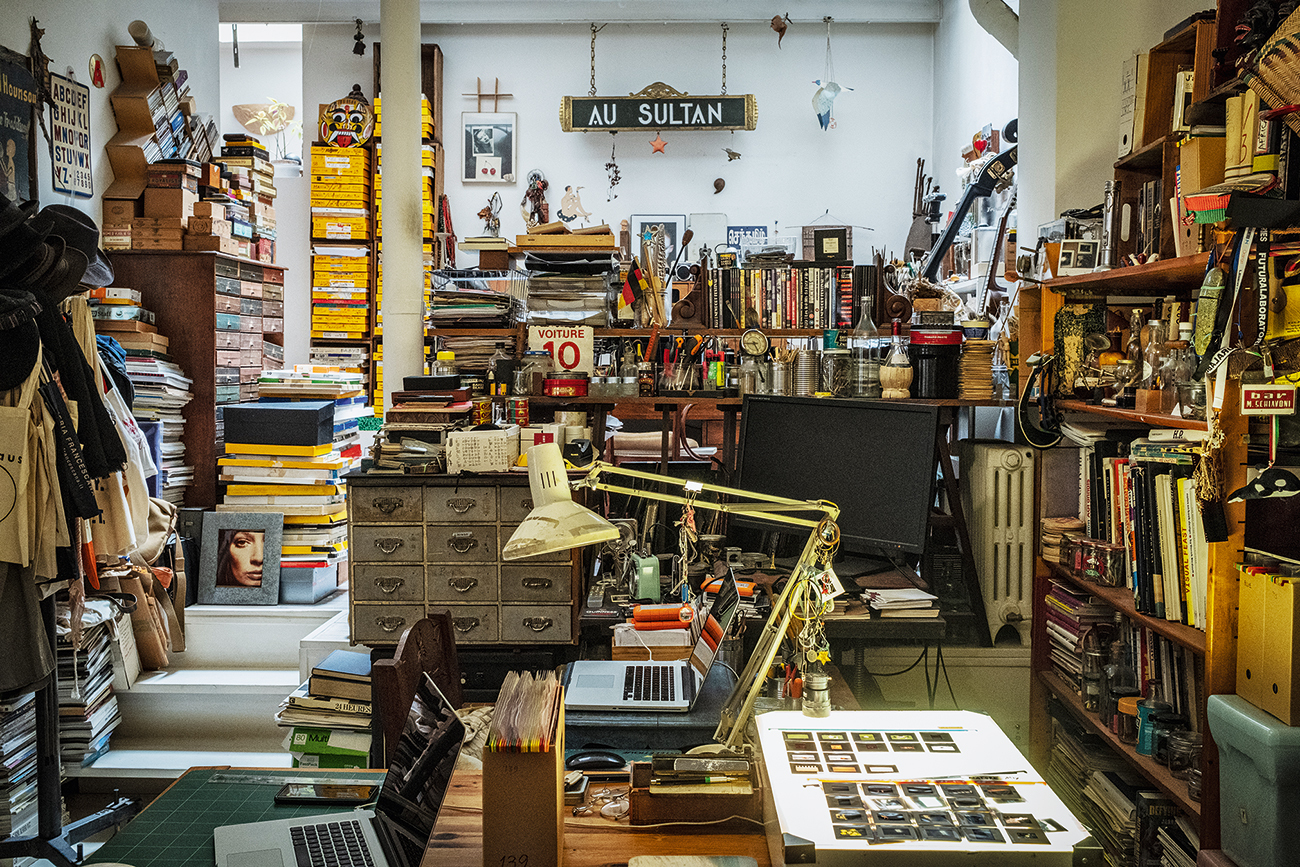
Born in London in 1935, Harri Peccinotti began as a teenage commercial artist and jazz musician before shaking up the world of visual culture. He designed album covers for Esquire Records, cut and pasted typography by hand, and immersed himself in the experimental spirit of the postwar avant-garde. But it was in 1965, as the founding art director of Nova magazine, that he truly changed the game. Nova (see Eye 10) was not just another women’s magazine: it was a revolution in print. Aimed at smart, independent women, it tackled taboo topics such as race, sex and politics with style and substance. And Peccinotti gave it a look to match: bold layouts, provocative imagery and a custom headline typeface salvaged from some rediscovered wood blocks. As a photographer, Peccinotti brought raw, sensual energy to every frame, whether challenging beauty standards or confounding fashion photography expectations. His work reflected the times and helped provoke them. Today, the bearded nonagenarian lives in France. His eastern Paris workshop, like an old curiosity cabinet, is packed with musical instruments, graphic design books and the artefacts of a long, analogue career.
Peccinotti’s studio in eastern Paris, full of artefacts from photography’s analogue past. Photo by Serge Ricco, 2025. Top. Harri Peccinotti in Vanity Fair, 1964.
EARLY DAYS
Peccinotti’s father created special effects for MGM; his grandfather was a carpenter and woodcarver, and a noted Communist. During the Second World War he mostly lived with his grandfather. ‘I used to go to work with him – he was doing restoration work for the BBC and the British Museum repairing war damage, replacing carvings and other details,’ he recalls. The young Peccinotti left school at fourteen and went straight to work in the art department of Smiths Motor Accessories. This, he says, is when his real education started: ‘The head of the department was a Royal Academician who wore tweed every day and painted portraits every weekend. He was a very fine portraitist.
‘There were also two technical illustrators there and I started learning how to do technical drawings – showing how to install the first radios into cars. I practiced isometric and perspective drawings and got good at them. At the same time I was taught by people who cared deeply about painting. They took me to the theatre, to museums, concerts, introduced me to all sorts of things. I became deeply interested in everything they cared about.’
The teenage Peccinotti learned about the Bauhaus, De Stijl and Dada: ‘I was in love with Mondrian,’ he says, ‘his clarity, his sense of order and especially his work in the De Stijl movement and journal …’
Serge Ricco creative director, Ricco&Co, Paris, France
Read the full version in Eye no. 109 vol. 28, 2025
Peccinotti used his Nova typeface for the end titles of the hit film Alfie (1966) starring Michael Caine. Within a year, the typeface was everywhere.

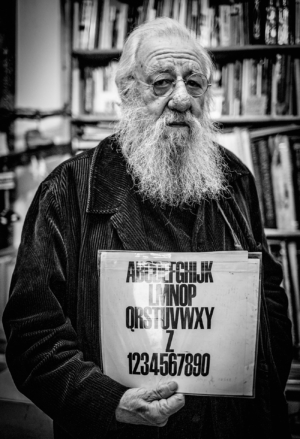
Portrait of Harri Peccinotti by Serge Ricco, Paris, 2025. ‘When I look at myself at the age of 90, I just ask myself, “Who is this ugly bastard?”’ says Peccinotti. ‘In my hand I’m holding a reproduction of a page from the book by Lettera published in Switzerland in 1954, showing the all-caps Schmalfette Grotesk typeface used by Willy Fleckhaus for the German magazine Twen.’ (See Eye 3.)
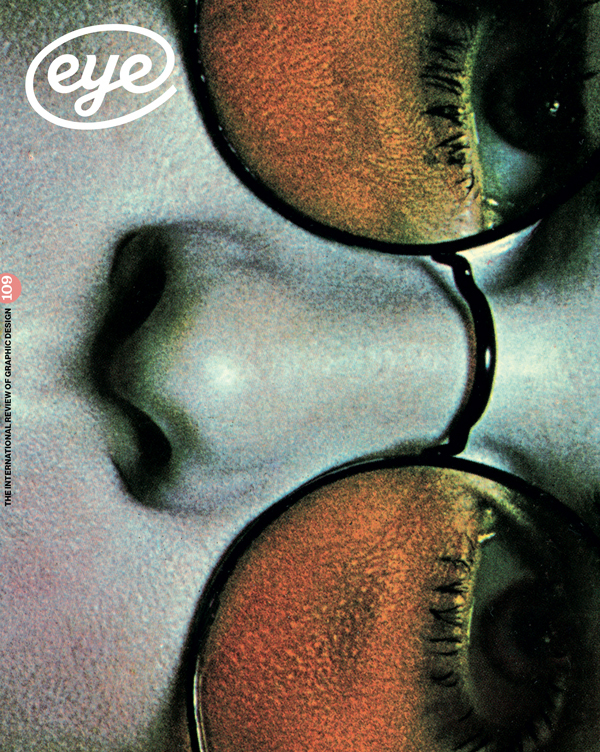
Eye is the world’s most beautiful and collectable graphic design journal, published for professional designers, students and anyone interested in critical, informed writing about graphic design and visual culture. It is available from all good design bookshops and online at the Eye shop, where you can buy subscriptions and single issues.