
Feature: Graphic design
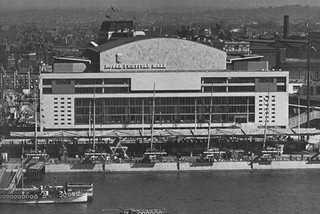
South Bank show
The Royal Festival hall has regained the thoroughly English lettering of its origins in the Festival of Britain – on one side only
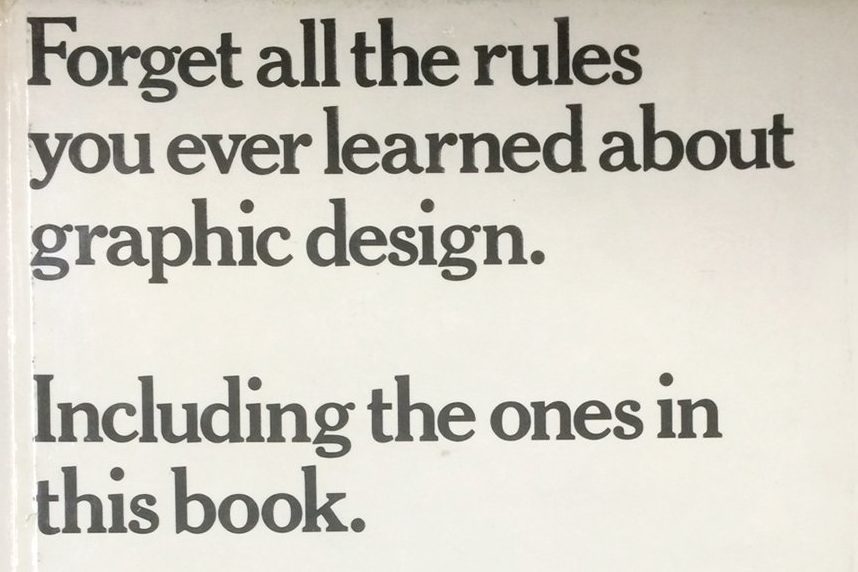
Reputations: Bob Gill
‘I’ve never had a problem with a dumb client. There’s no such thing as a bad client. Part of our job is to do good work and get the client to accept it.’ Interview by Patrick Baglee
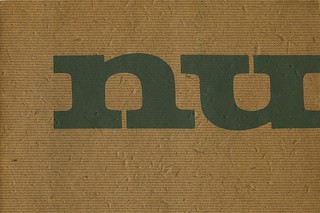
Willem Sandberg: Warm printing
The Dutch pioneer’s catalogues for the Stedelijk show a tactile use of sensual materials and experimental typography
Reputations: George Lois
‘You can’t research a big idea. The only ideas that truly research well are mediocre ideas. In research, great ideas are always suspect.’
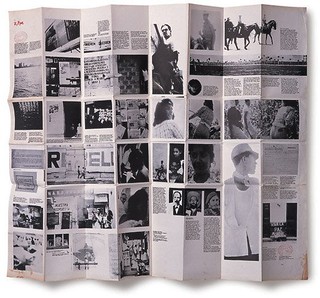
Reputations: Richard Hollis
‘The ideal situation is where you sit with the client and design with them. If anything is emphasised, it’s what they want to emphasise. I prefer collaborative effort to doing what I want. It’s diametrically opposite to being an artist.’
Money. Magic. Light.
Factors of scale ensured a glittering take-off for two corporate identities. But what do they actually communicate?
The producer as author
For Toronto designer Bruce Mau, graphic design
more than mere design. He sees his work as a way of exploring
ethical, cultural and philisophical issues. Should we rethink our
ideas of authorship?
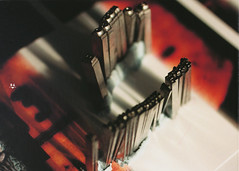
Vaughan Oliver’s Minotaur
This Pixies box set was a chance to make brand new artwork with a student team from UCA
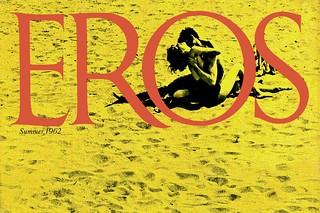
Eros
In 1962 Ralph Ginzburg and Herb Lubalin defied puritantical America with the four issues of their erotic magazine Eros
We hardly knew you
Street-corner merchandising tries to remember the twin towers