
Feature
If the image of the text … has more value than its content …
With visual culture triumphant and content marginalised, how can typography be defined?
Reading the news
In an-depth pictorial essay Phil Baines examines the ways major UK newspapers, tabloid and broadsheet, presented the events of September 11

Visual systems of life and death
In this appendix to ‘The pandemic that launched a thousand visualisations’, Paul Kahn outlines more of the dynamic visual systems that help our understanding of Covid-19
Face lift: new cuts at The Times
When technological developments at The Times demanded a change in the newspaper’s typography, a brand new typeface was commissioned, prompting a new analysis of the font’s long and complex history
Sculptured letters and public poetry
Sculptor Josep Maria Subirachs and poet Joan Brossa had little in common but a fierce pride in the city and culture of Barcelona, where their open-air letterforms grace the streets, squares and parks
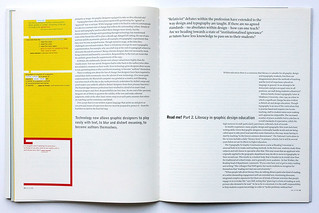
Read me! Part 2. Literacy in graphic design education
‘Relativist’ debates within the profession have extended to the way design and typography are taught. If there are no agreed standards – no absolutes within design – how can one teach? Are we heading towards a state of ‘institutional ignorance’ as tutors have less knowledge to pass on to their students?

Read me! Part 1. Literacy in graphic design
Graphic designers are responsible for the communication of ideas through words, signs and pictures. Yet experimentation and new aesthetics cannot emerge without a thorough understanding of reading and writing: if we accept that language is important, we must be prepared to protect it