
Feature
Space, time and content
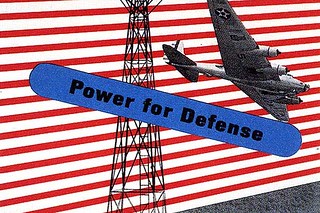
Photomontage allowed Lester Beall to unite art, photography, typography and painting with revolutionary European ideas about layout and form
Mr Roughcut
or: how graphic designer Pablo Ferro learned to split the screen, cut the crap and tell the story (in the time it took to run the titles)
Emotion graphics
Is character design a fount of rich, contemporary visual codes . . . or just a cop-out for over-stressed kidults?
Reputations: Gérard Paris-Clavel
‘I always transform the commission: the role of all graphic designers is to question the brief before answering it’
Revolutionary language
“A revolutionary graphic language must seek to expose the meaning by presenting a chain of ideas, images, structures in as much of their complexity as is economically feasible.” Robin Fior in The Designer, journal of the society of industrial artists and designers, London, May 1972.
The work must be read
Lawrence Weiner’s art is a kind of sculpture made of language, free from excess or embellishment and strangely familiar from its far-reaching influence on graphic designers
What is this thing called graphic design criticism?
In the last ten years a substantial body of critical writing on graphic design has amassed. In this transatlantic dialogue, Rick Poynor and American design critic Michael Rock explore the state of design criticism now and put the arguments for different approaches
Reputations: Neville Garrick
‘I won’t compromise my concept. If entertainment doesn’t contain information, then I don’t want anything to do with it.’
Out of town shopping
Though its public lettering reassures customers with poetry and fiction this shimmering mall is, at heart, a three dimensional shopping catalogue