
Feature
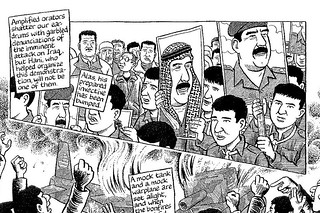
Big subject, little pictures
Joe Sacco uses the comics medium to describe the lives of Palestinians
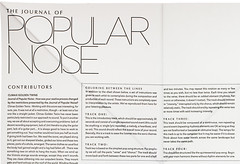
Scribble and strum
The layout and art direction of music magazines reflect and champion a wide spectrum of tastes and genres.
Multi-coloured mirrors
Alan Aldridge’s art direction of Beatles lyrics gave a graphic twist to the Swinging Sixties
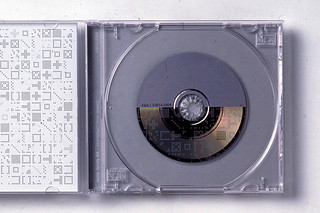
Laptop aesthetics
A crackly, digital approach informs one of three current design trends.
Reputations: John Plunkett
‘We wanted to avoid the unspoken design taboo: Good design = subtle, tasteful, elegant, restrained. My feeling about that is: maybe so . . . depends on the context. We felt it was more important that Wired be alive than subtle . . .’
Design is advertising #2: Nomadic resistance
Faced by oppressive visual pollution, many designers feel powerless. Yet the visual realm can be turned into a vital site of political and cultural action
In the beginning was the picture
How are publishers coping with the advent of new media? Two ambitious series expand the format of the illustrated book.
Clarity and contradiction
Irma Boom’s work is lucid yet challenging. It upsets her colleagues, while pleasing her clients.
Reputations: Anthon Beeke
‘I don’t think I could have come out on the streets with these posters in Berlin, Paris, or London – not to mention America’
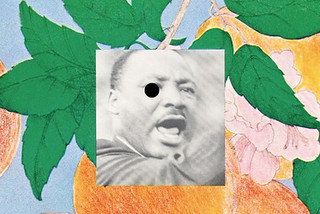
Look away
‘The South’, Seymour Chwast’s special civil rights issue of Push Pin Graphic, was a virtuoso display of graphic design authorship