
Feature: Graphic design
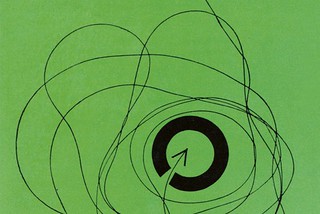
Penguin crime
Romek Marber’s 1960s paperback identity is a landmark of independent British design

Reputations: Jean Widmer
‘Signage reflects both the complexity of space and the way a place is organised. And it is very satisfying’
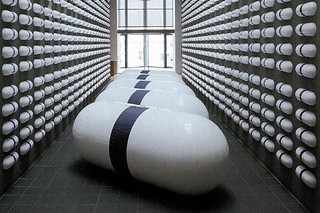
General Idea: Infiltrate, infect and mutate
Ignoring the boundaries between art and design, this Canadian trio worked in both fields with an eclectic mix of language, humour and commercialism
Seize the sans serif
Raw, vigorous, experimental and often funny, Ark magazine helped to transform British graphics
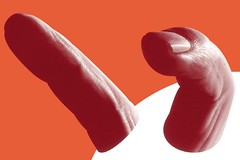
Sticks in the mind
Does anyone care about posters, or are they just an ego-trip for the designers who still make them?
Reputations: Terry Jones
‘I’m a creative director. I work with photographers. Years ago I said design is a piece of piss. Design is something that shouldn’t be complicated.’
The image as evidence
The career of Germano Facetti is exceptional in its range. As art director of Penguin Book covers in the 1960s and as a designer, he was a powerful influence on book and information design, throwing a special light on Modern Movement aspirations and on attitudes to illustration. Facetti has maintained the concept of “documentary” and diagrammatic illustration to induce understanding, to express emotion, or to accumulate information in a more memorable way.
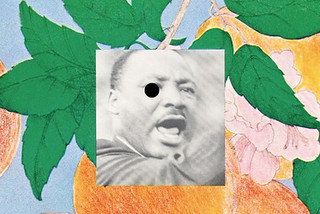
Look away
‘The South’, Seymour Chwast’s special civil rights issue of Push Pin Graphic, was a virtuoso display of graphic design authorship

Reputations: Maira Kalman
‘I was out walking the dear dog and I saw 500 things that made me want to make art.’
Mr Roughcut
or: how graphic designer Pablo Ferro learned to split the screen, cut the crap and tell the story (in the time it took to run the titles)